Journey of the Flag
A 75–90 minute Chicago history and sightseeing bus tour — the story behind every star and stripe on the city flag.
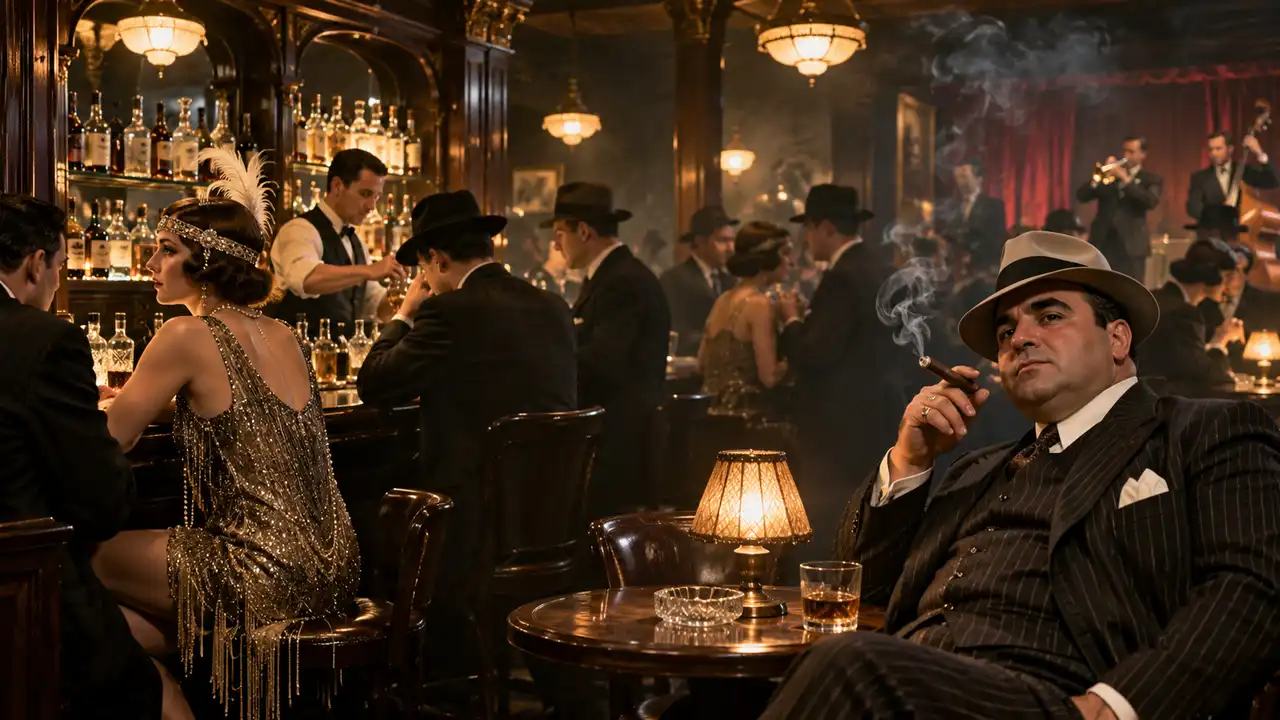
The Chicago Outfit Tour is a guided, narrated Chicago gangster tour by bus — a 60–75 minute mob tour through Al Capone’s Chicago and the shadowy world of the Chicago Outfit, one of America’s most powerful organized crime syndicates. Explore the rise of notorious mob bosses, the violent rivalries, secret alliances, and shocking crimes that shaped Chicago’s criminal underworld. Discover the stories behind legendary figures like Al Capone and the infamous St. Valentine’s Day Massacre. Visit historic locations connected to the city’s mob past and uncover how organized crime infiltrated politics, businesses, law enforcement, and everyday life. From the height of its power to its eventual decline, discover how the Chicago Outfit left an unforgettable mark on American history.
The Chicago Outfit was one of the most powerful and feared criminal organizations in American history. Rising to prominence during the Prohibition era of the 1920s, the organization built a vast criminal empire through illegal alcohol trading, gambling, extortion, corruption, and violence.
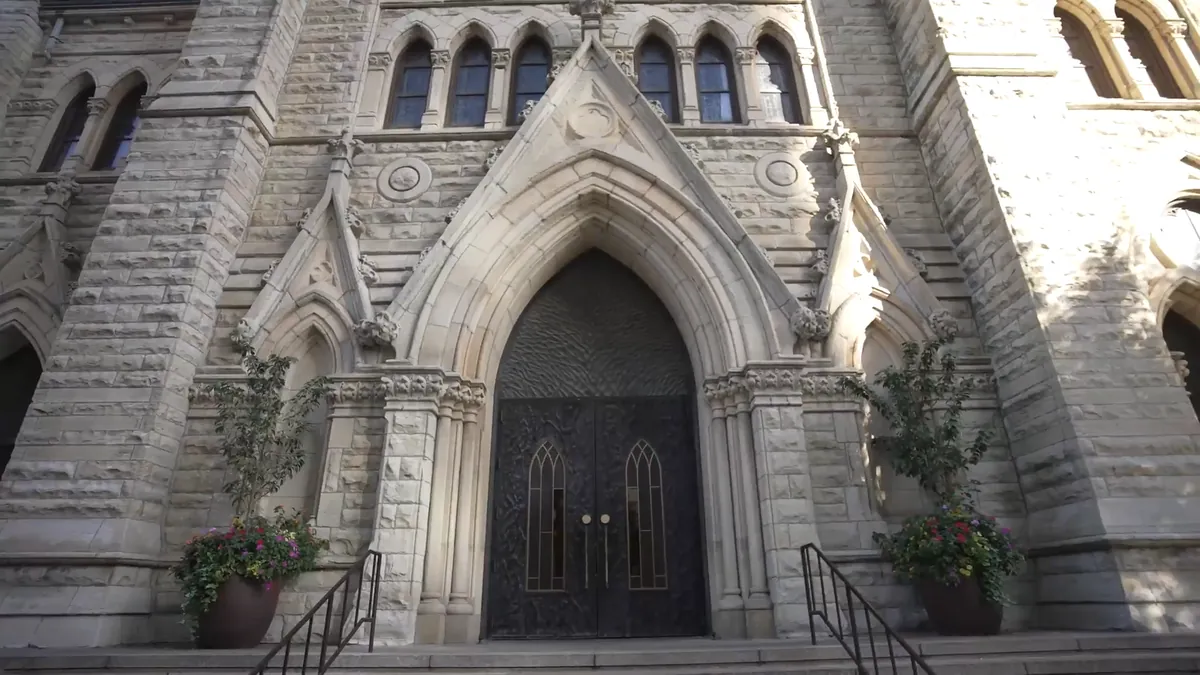
Led by notorious figures such as Johnny Torrio, Al Capone, and later mob bosses, the Outfit became deeply involved in Chicago’s underworld. Fierce rivalries between criminal gangs sparked bloody conflicts, including the infamous St. Valentine’s Day Massacre of 1929 and the 1926 assassination of North Side Gang leader Hymie Weiss outside Holy Name Cathedral.
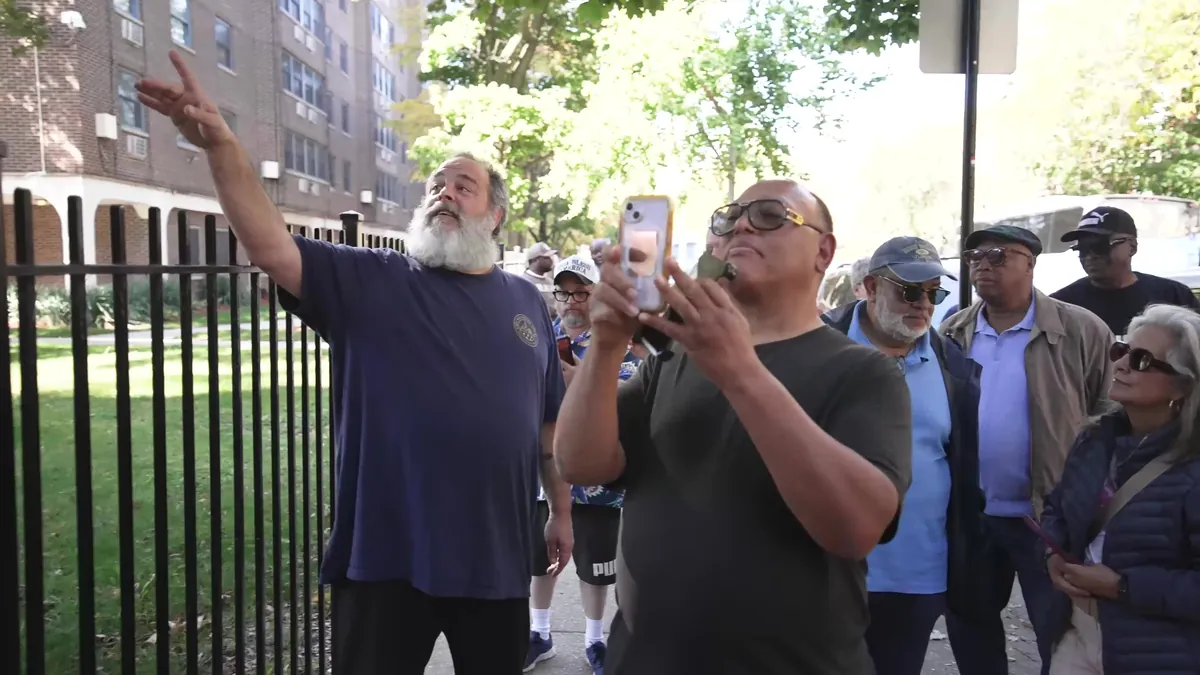
Along the route, your guide points out the locations of former Prohibition-era speakeasies and explains how illegal alcohol fueled the Outfit’s rise.
But the Outfit’s influence extended far beyond street crime. Through bribery, political connections, and control over legitimate businesses, it established a powerful network that influenced various aspects of Chicago’s society.
Over the decades, law enforcement investigations, internal conflicts, and changing criminal operations gradually weakened the organization. Discover how the Chicago Outfit rose to power, ruled the city’s criminal underworld, and eventually lost much of its influence.
Johnny Torrio was one of the early architects of organized crime in Chicago. Known for his calculated approach to criminal operations, he helped build the organization that later became associated with Al Capone. His influence played an important role in the development of the Chicago Outfit.
Al Capone became the most recognizable face of the Chicago Mafia. During the 1920s, he controlled a major criminal enterprise involved in bootlegging, gambling, and other illegal activities. His reputation grew through violent gang conflicts, political corruption, and extensive media coverage.
Frank Nitti was another prominent figure in the Chicago Outfit. He became an important leader following Capone’s imprisonment and was associated with the organization’s continued operations during the 1930s.
Paul Ricca was a powerful figure in the later history of the Chicago Outfit. He played a significant role in its leadership and organizational development, helping maintain its influence beyond the Prohibition era.
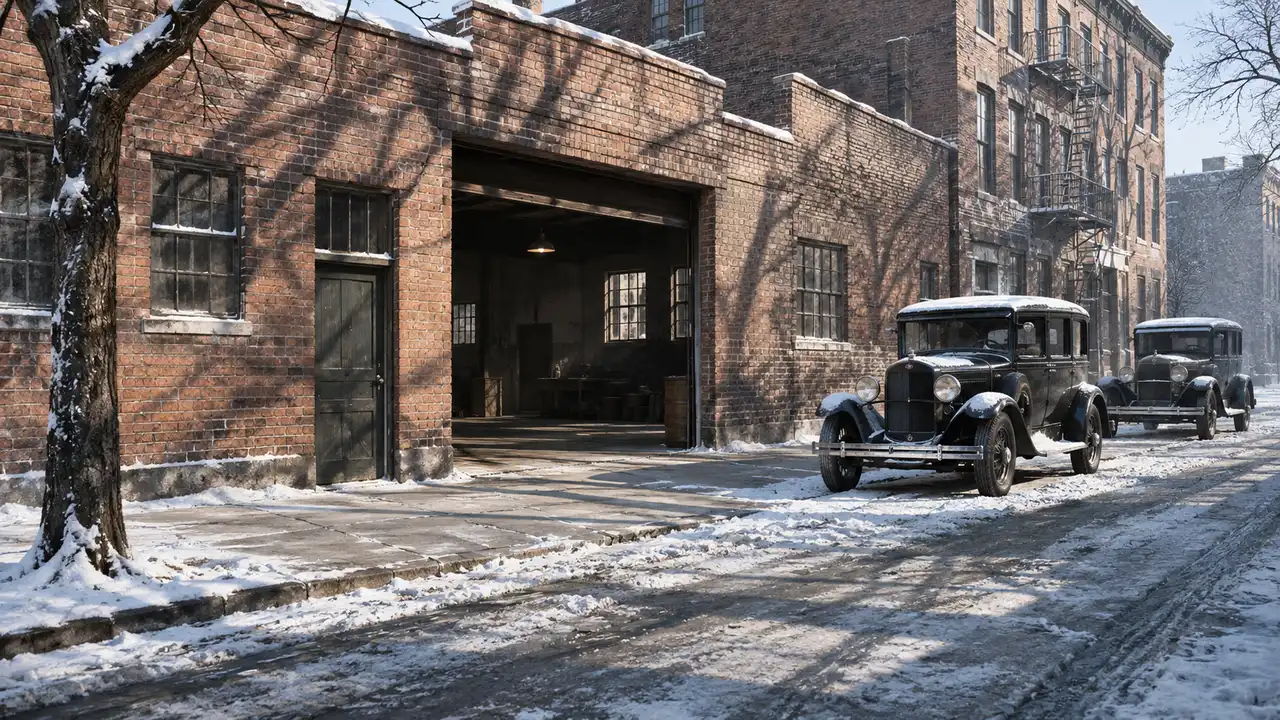
One of the most notorious events in Chicago’s criminal history was the St. Valentine’s Day Massacre, which took place on February 14, 1929.
Seven members and associates of the North Side Gang, led by George Moran, were murdered inside a garage on North Clark Street. The victims were lined up against a wall and shot by attackers, some of whom were reportedly disguised as police officers.
The massacre shocked the nation and attracted enormous media attention. Although the crime was widely associated with the rivalry between Al Capone’s South Side organization and George Moran’s North Side Gang, the perpetrators were never conclusively established through criminal convictions.
The incident became a defining symbol of the violence associated with Chicago’s Prohibition-era gang wars.
Today, the massacre remains one of the most frequently discussed events in American organized crime history.
Among its most notable rivals was the North Side Gang, associated with George Moran and other prominent gangsters.
The conflict between the North Side and South Side organizations involved territorial disputes, business competition, intimidation, and violent attacks.
These rivalries contributed to an atmosphere of instability throughout Chicago. Gang leaders used influence, money, and violence to maintain control, while ordinary residents experienced the consequences of organized criminal activity.
The struggle for dominance helped establish Chicago’s reputation as one of America’s most notorious centers of organized crime.
The influence of the Chicago Outfit extended far beyond illegal alcohol distribution and street violence.
Organized crime networks developed relationships with individuals in legitimate businesses, labor organizations, and political circles. Through bribery, intimidation, and financial influence, criminal groups attempted to protect their operations and maintain access to valuable opportunities.
The Outfit was also associated with gambling operations, loan sharking, extortion, and illegal betting networks.
These connections made organized crime particularly difficult to eliminate. Even when prominent mobsters were arrested or convicted, the wider criminal organization could continue operating through other members and associates.
The relationship between organized crime, political influence, and business interests remains an important part of Chicago’s historical story.
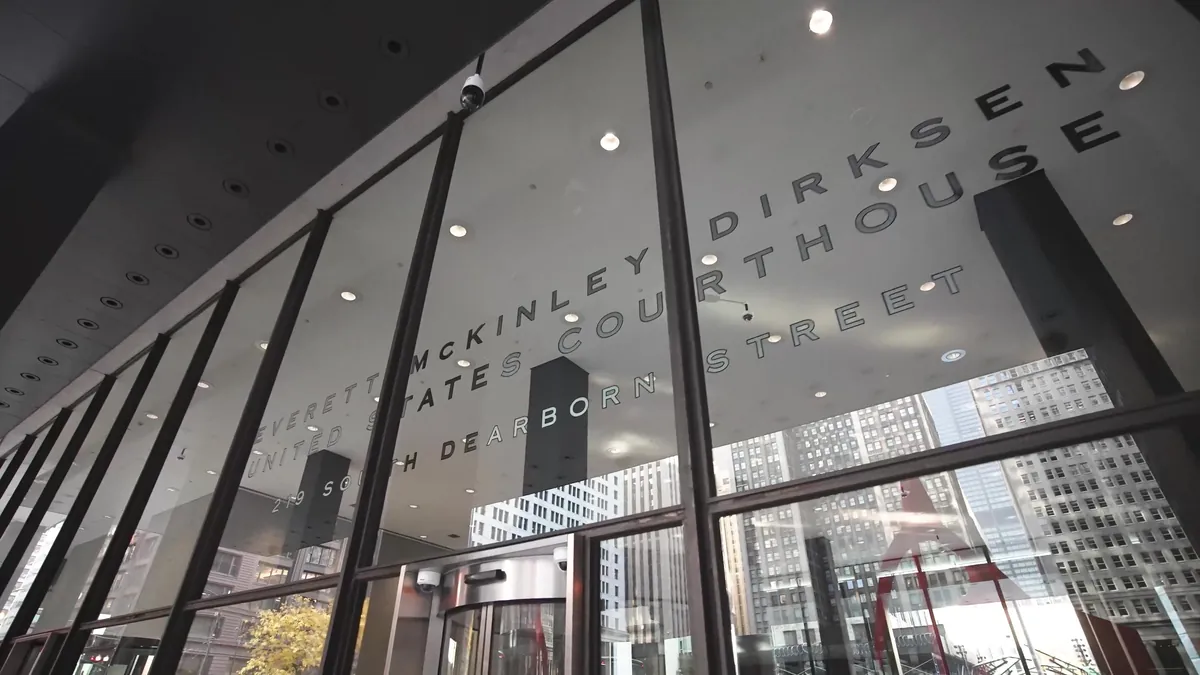
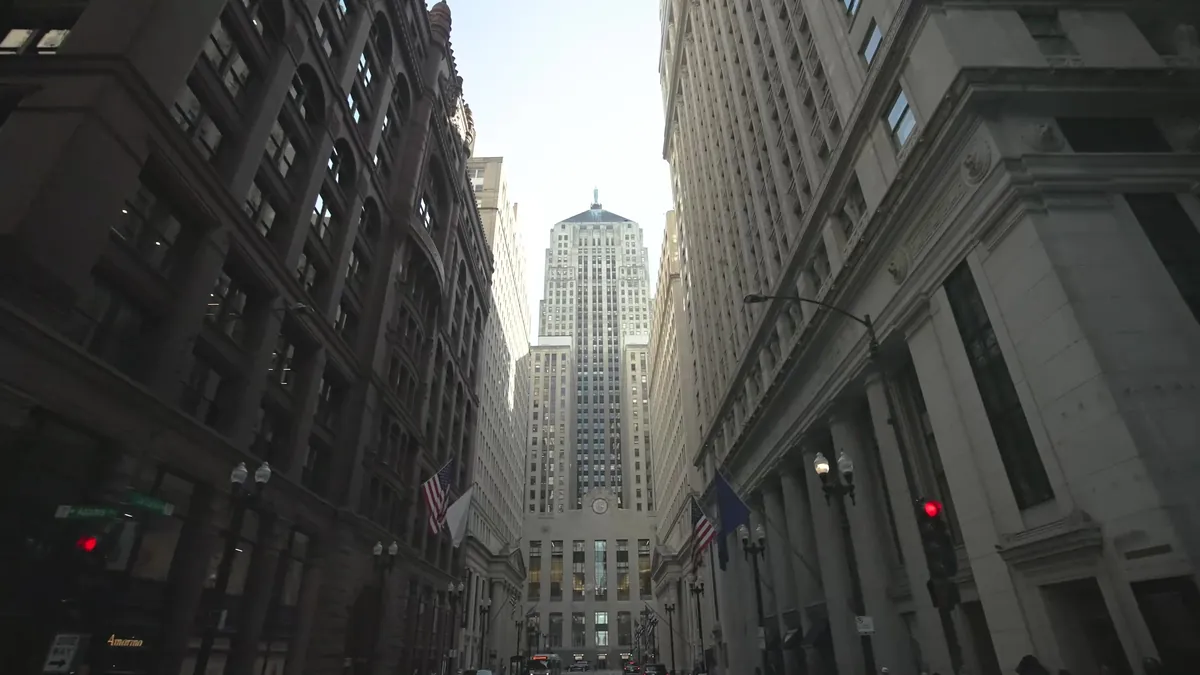
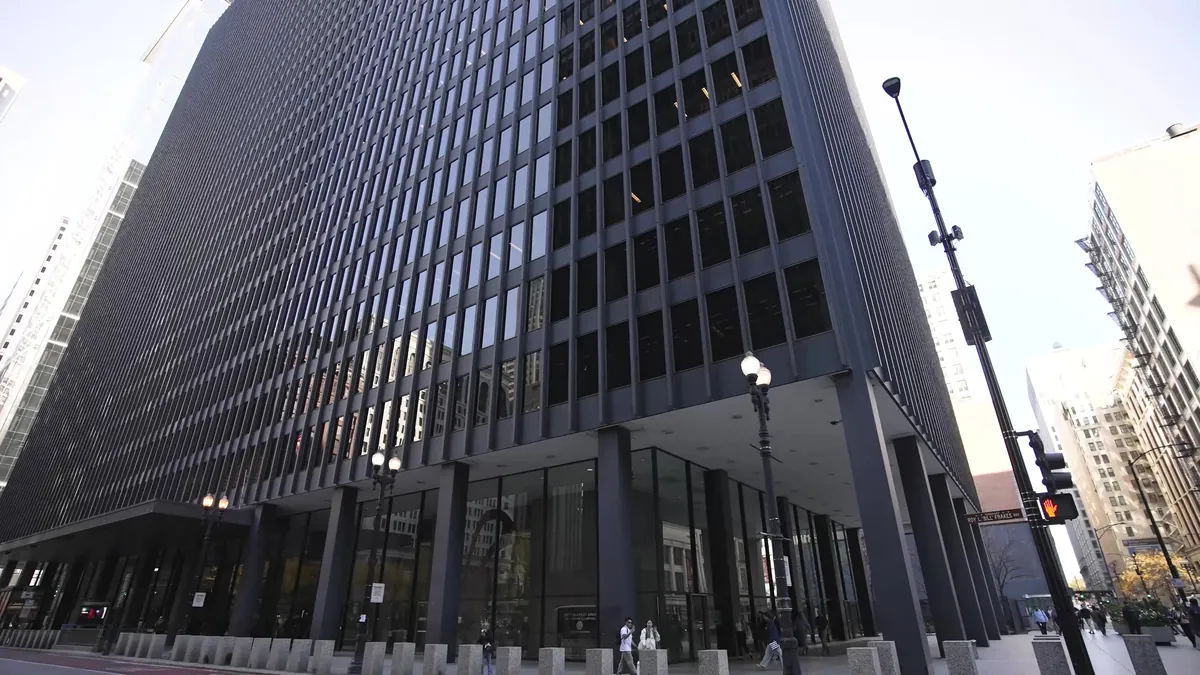
Tours depart from 205 E Randolph St (curbside loading zone) in downtown Chicago, near Millennium Park. Look for the Chicago Prime Tours bus — tap the address for directions.
Every scheduled tour runs — even if you’re the only guest.
Chicago Prime Tours is not associated with the 205 E. Randolph Street building.
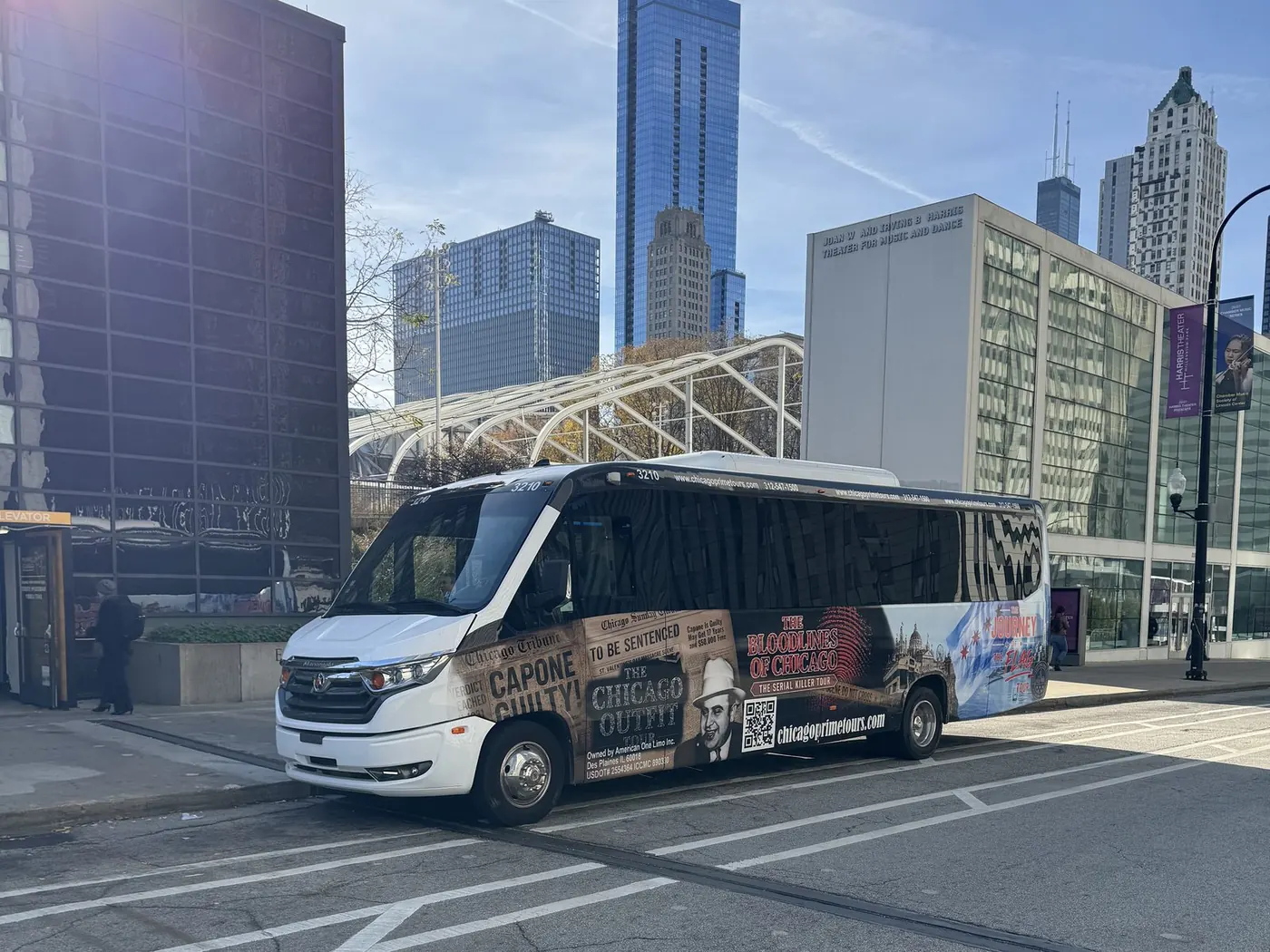
Step into the past and uncover the secrets of the Chicago Outfit. Discover legendary mobsters, infamous crimes, historic locations, and the stories behind America’s most notorious criminal empire.
Ready to explore Chicago’s dark history?
The Chicago Outfit was an organized crime syndicate based in Chicago. It became one of America’s most powerful Mafia organizations during the Prohibition era through illegal alcohol distribution, gambling, extortion and other criminal activities.
Al Capone. He controlled its operations during the 1920s and became one of America’s most notorious gangsters. Johnny Torrio, Frank Nitti and Paul Ricca were also key figures in its history.
A gangland killing on February 14, 1929, in which seven members and associates of George “Bugs” Moran’s North Side Gang were murdered in a garage on North Clark Street. It remains one of the most infamous events in American Mafia history.
Your guide points out the locations of former Prohibition-era speakeasies along the route, but the tour doesn’t stop at them.
The Chicago Outfit Tour runs about 60 to 75 minutes, depending on traffic.
Tours depart from 205 E Randolph St (curbside loading zone) in downtown Chicago, near Millennium Park. Tap the address for directions.
Please arrive at least 10 minutes before your departure time.
This tour is rated PG-13. It covers organized crime and gangland violence, so parental guidance is strongly advised for guests under 13.
Yes. Every scheduled tour runs — even if you’re the only guest.
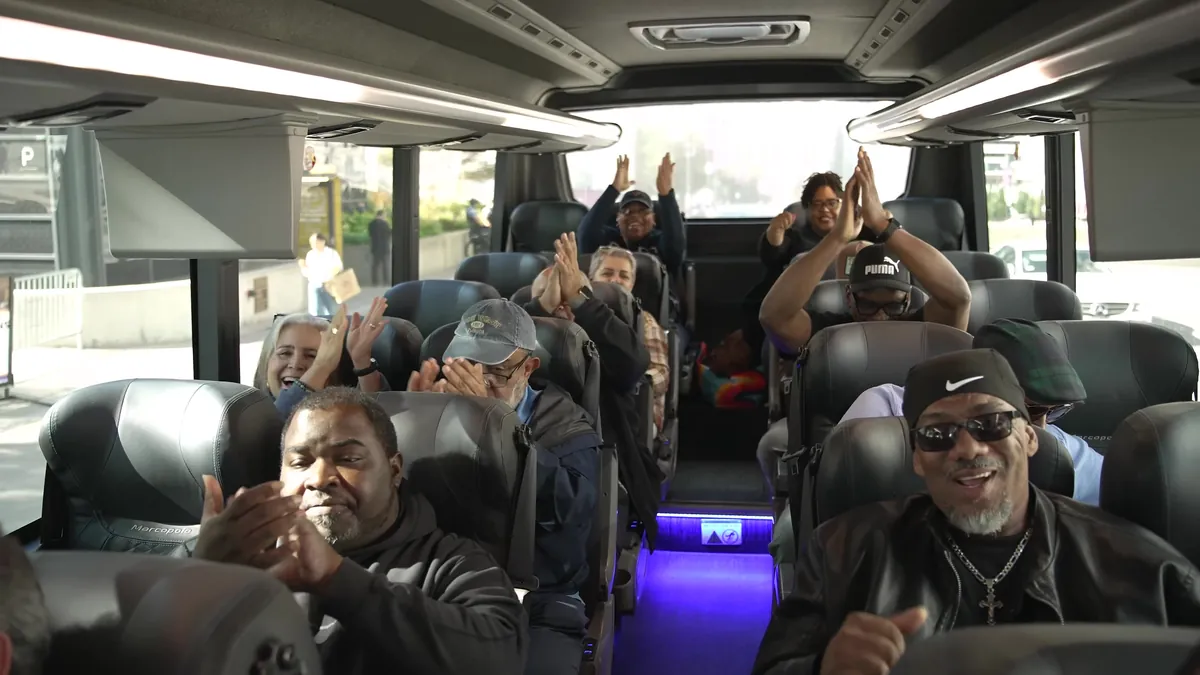
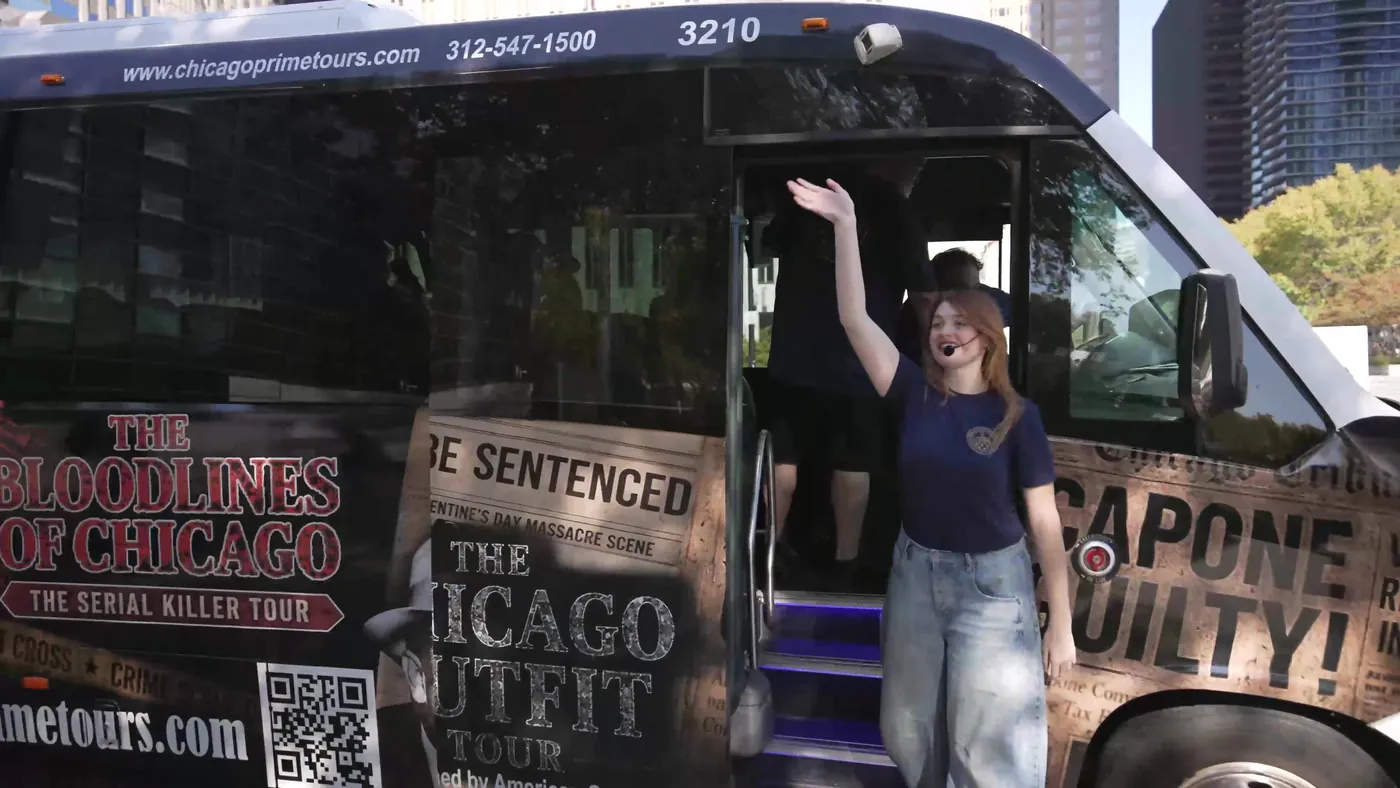
Yes. Groups of up to 30 guests ride on our fully wrapped Chicago Prime Tours bus, and for groups of 31 to 55 we offer larger bus options. Request a quote to get started.
Click Buy Tickets at the top of any page to see available dates and prices and book online.
A 75–90 minute Chicago history and sightseeing bus tour — the story behind every star and stripe on the city flag.
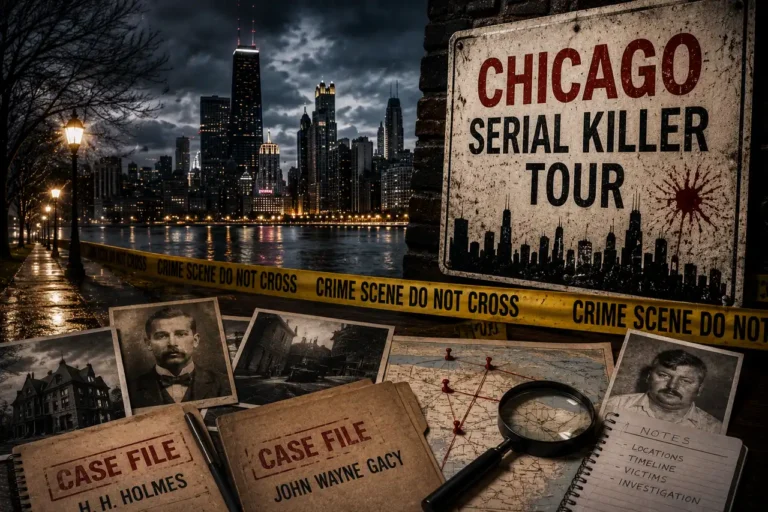
A 75–90 minute true crime bus tour of the real cases behind Chicago’s darkest history. Rated PG-13.
The City. The Stories. The Prime Experience.