Chicago is a city where every landmark tells a story. From world-renowned architecture and historic theaters to scenic waterfront attractions and public art, the city’s skyline reflects more than a century of innovation, resilience, and cultural growth. While millions of visitors photograph these famous locations each year, many never learn the remarkable stories that make them truly unforgettable.
Whether you’re visiting Chicago for the first time or returning to explore more deeply, understanding the history behind these landmarks transforms an ordinary sightseeing trip into an unforgettable experience.
Millennium Park and Cloud Gate
No visit to Chicago is complete without stopping at Millennium Park, one of the city’s most popular public spaces. Opened in 2004, the park quickly became a symbol of modern Chicago, attracting millions of visitors each year.
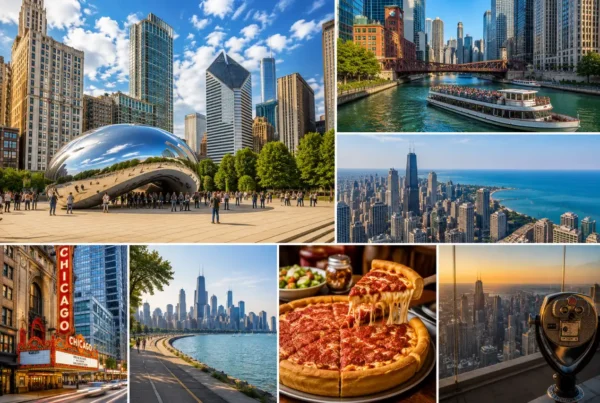
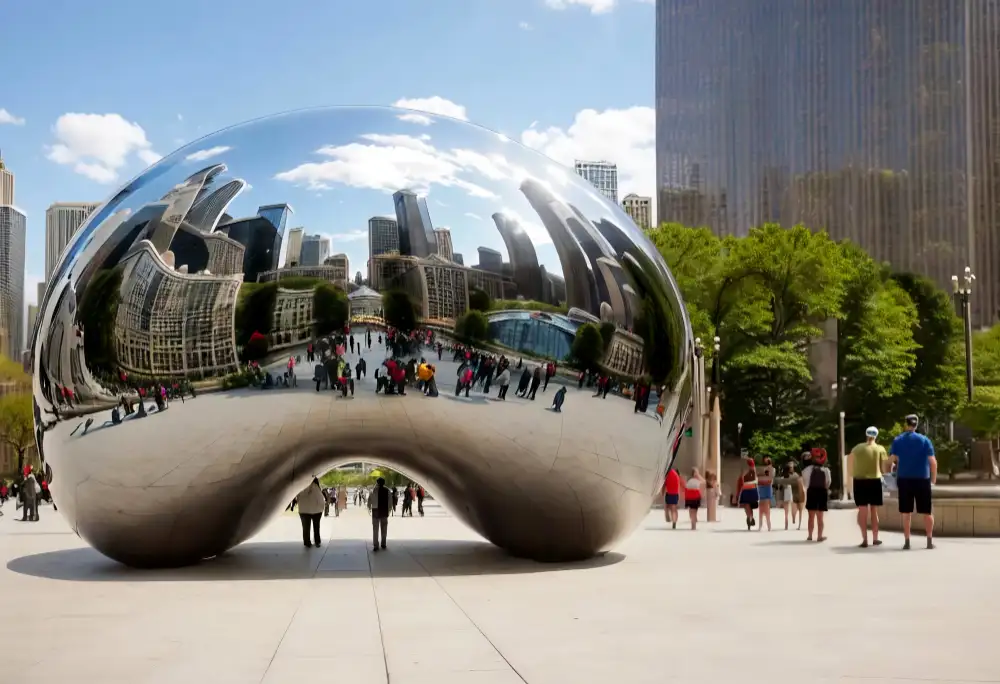
At the heart of the park sits Cloud Gate, affectionately known as “The Bean.” Created by British artist Anish Kapoor, the sculpture is made from highly polished stainless steel panels that seamlessly reflect the surrounding skyline. Visitors love capturing photos beneath its curved surface, where the reflections create unique visual effects from every angle.
Millennium Park also features beautiful gardens, outdoor concerts, public art installations, and the Jay Pritzker Pavilion, making it a gathering place for both locals and tourists throughout the year.
The Chicago Riverwalk
The Chicago River has played a central role in the city’s development since the 1800s. Once dominated by commercial shipping and industry, the river has evolved into one of Chicago’s most scenic destinations.
The Riverwalk stretches along the downtown waterfront, offering restaurants, cafés, public art, boat docks, and spectacular views of some of the world’s most celebrated architecture.
One of the river’s most fascinating historical facts is the engineering achievement of reversing its flow in 1900. This remarkable project helped improve sanitation and remains one of the greatest civil engineering accomplishments in American history.
Today, the Riverwalk is a favorite destination for walking, relaxing, and photographing Chicago’s skyline.
Willis Tower
Formerly known as the Sears Tower, Willis Tower dominated the world’s skyline when it was completed in 1973. Standing at 1,450 feet, it remained the world’s tallest building for nearly 25 years.
The Skydeck, located on the 103rd floor, offers breathtaking panoramic views extending across Illinois, Indiana, Wisconsin, and Michigan on clear days.
One of the most popular attractions is The Ledge, a series of glass balconies extending beyond the building’s exterior, allowing visitors to look straight down to the streets below.
Willis Tower continues to symbolize Chicago’s reputation as a global leader in architecture and engineering.
The Wrigley Building
Standing along Michigan Avenue, the Wrigley Building is one of Chicago’s most recognizable architectural landmarks.
Completed in the early 1920s as the headquarters for the Wrigley chewing gum company, the building features elegant white terra cotta and a distinctive clock tower inspired by European architecture.
Its illuminated façade has become one of the city’s most photographed nighttime attractions, especially when viewed from the nearby Chicago River.
Tribune Tower
Located directly across from the Wrigley Building, Tribune Tower is famous for both its Gothic Revival architecture and its unique collection of historical artifacts.
Embedded into the building’s exterior are stones collected from some of the world’s most significant landmarks, including the Great Wall of China, the Taj Mahal, the Berlin Wall, the Great Pyramid of Giza, and the Colosseum.
Visitors often spend time searching for these fascinating pieces of history while admiring the tower’s intricate architectural details.
The Chicago Theatre
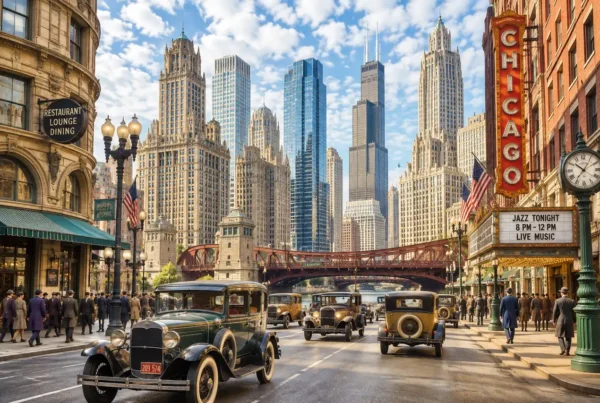
With its iconic vertical marquee glowing above State Street, The Chicago Theatre has welcomed audiences since 1921.
Originally built as a lavish movie palace, the theater now hosts concerts, comedy shows, and special events featuring world-famous performers.
Its elegant interior showcases grand staircases, crystal chandeliers, decorative ceilings, and French Baroque-inspired design, making it one of Chicago’s architectural treasures.
Buckingham Fountain
Located in Grant Park near Lake Michigan, Buckingham Fountain is among the largest fountains in the world.
Inspired by the Latona Fountain at the Palace of Versailles, it features spectacular water displays choreographed with lighting effects during warmer months.
The fountain symbolizes Lake Michigan while its four surrounding sea horses represent the four states bordering the lake.
It has appeared in countless films, television shows, and travel photographs, becoming one of Chicago’s most recognizable landmarks.
Navy Pier
Extending more than 3,000 feet into Lake Michigan, Navy Pier has entertained visitors for over a century.
Originally opened in 1916 as a shipping and recreational facility, it has evolved into one of Chicago’s premier tourist destinations.
Today visitors enjoy:
- Restaurants and cafés
- Seasonal fireworks displays
- Boat cruises
- Family attractions
- Gardens
- Shopping
- Live entertainment
- The iconic Centennial Wheel
The pier also offers some of the city’s best views of the Chicago skyline.
Historic Route 66
Chicago marks the official beginning of Historic Route 66, America’s legendary highway stretching to Santa Monica, California.
The famous “Begin Route 66” sign attracts travelers from around the world who come to photograph the starting point of one of history’s most celebrated road trips.
Route 66 represents freedom, adventure, and the golden age of American automobile travel.
The Magnificent Mile
Michigan Avenue’s Magnificent Mile is much more than a shopping district.
Lined with historic buildings, luxury hotels, restaurants, and architectural landmarks, it reflects Chicago’s evolution into a global city.
Visitors can spend an entire day exploring boutiques, enjoying fine dining, admiring public art, and discovering impressive architecture without leaving the avenue.
Chicago’s Architecture Tells Its Story
Chicago is often called the birthplace of the modern skyscraper. Following the Great Chicago Fire of 1871, architects and engineers embraced new building techniques that transformed urban design around the world.
Walking through downtown reveals architectural styles spanning more than a century, from Gothic Revival and Art Deco masterpieces to sleek contemporary towers.
Every building contributes another chapter to Chicago’s remarkable story.
Experience the Stories, Not Just the Sights
While guidebooks provide interesting facts, nothing compares to hearing Chicago’s stories from knowledgeable local guides.
A professionally guided sightseeing tour helps visitors understand how each landmark fits into the city’s history, culture, and architectural legacy. You’ll discover hidden details, fascinating historical events, and local insights that many travelers overlook when exploring on their own.
Whether it’s your first visit or your tenth, seeing these landmarks through the lens of expert storytelling creates a richer and more memorable experience.
Frequently Asked Questions
What is Chicago’s most famous landmark?
Cloud Gate, commonly known as “The Bean,” is one of the city’s most photographed and recognizable landmarks.
What building offers the best views of Chicago?
The Skydeck at Willis Tower provides panoramic views of the city and surrounding states on clear days.
Why is the Chicago River famous?
The river is known for its impressive architecture, scenic Riverwalk, and the remarkable engineering project that reversed its flow in 1900.
Is Navy Pier worth visiting?
Yes. Navy Pier offers dining, entertainment, lakefront views, boat tours, seasonal events, and family-friendly attractions.
What is the best way to see Chicago’s landmarks?
A guided sightseeing tour allows visitors to experience the city’s major attractions while learning the fascinating stories behind each landmark from knowledgeable local guides.
Final Thoughts
Chicago’s landmarks are more than beautiful places to photograph. They represent innovation, resilience, creativity, and the remarkable people who helped shape one of America’s greatest cities.
Whether you’re admiring the skyline from the Riverwalk, standing beneath Cloud Gate, exploring historic architecture, or enjoying the views from Navy Pier, every destination has a story waiting to be discovered.
To make the most of your visit, consider starting your adventure with Chicago Prime Tours. With expert guides, engaging storytelling, and visits to many of the city’s most iconic locations, you’ll gain a deeper appreciation for Chicago’s history, architecture, and culture while creating memories that last long after your trip ends.